
Xinzhou / Tang, 782 inscription
Nanchan Temple
A small Wutai-area hall whose Tang date makes it one of the most concentrated lessons in early Chinese timber construction.
Why go
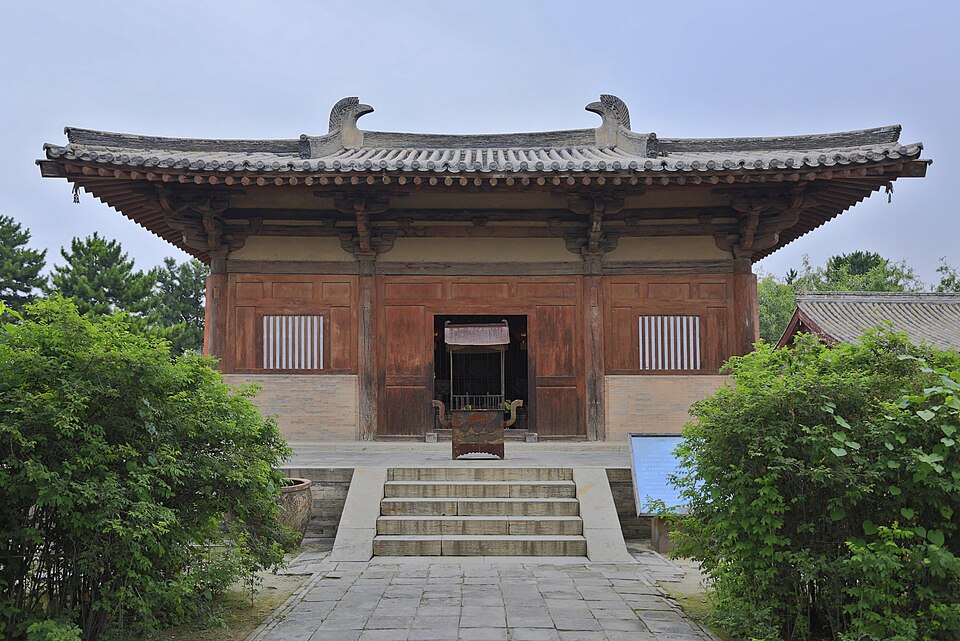
Nanchan Temple is a small early timber hall near Wutai in Xinzhou, best approached through one clear idea: a corrective to the idea that importance always looks monumental. That frame is more useful than another list of dates, because it tells you what your eyes should test once you are there.
The durable attraction is quiet scale, early fabric, and restraint. Photos and game-era references can make the first spark, but the place becomes more interesting when you slow down and ask how structure, image, setting, and movement work together.
The heritage label is still worth knowing: First-batch national protected site, no. 1-0079-3-032. Treat it less as a badge and more as a reminder that the building, sculpture, or cave is fragile, managed, and not just a backdrop for a quick visit.
What to notice first
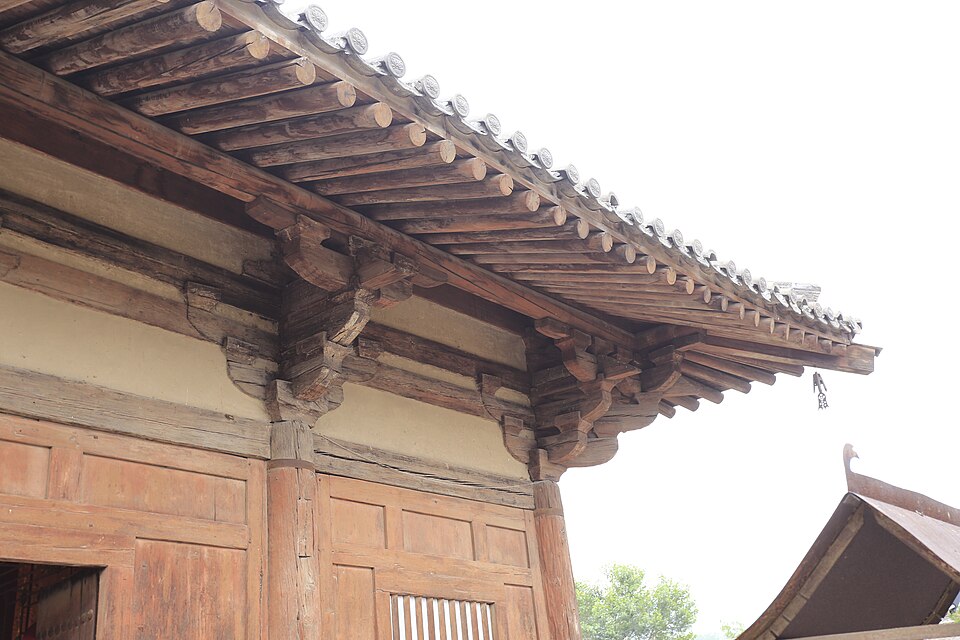
Begin before the close-up. For Nanchan Temple, the first reading is proportion, roof weight, bracket spacing, and the plainness that lets age become visible. Give that first impression a minute before moving to details or lifting a camera.
Then look for the order under the surface: roof weight, bracket rhythm, cave threshold, courtyard sequence, wall painting, clay figures, or the way a path controls your body. Shanxi sites often become legible through repeated forms with small changes.
A useful visit does not require specialist vocabulary. Ask simple questions: what carries weight, what frames the main view, where does light enter, what has been repaired, and which parts ask visitors to keep distance?
How it fits a route
Nanchan Temple works as a Wutai-area stop for readers ready to trade spectacle for precision. It should not be treated as a loose pin on a map; it changes what the stops before and after it mean.
Plan for attention as much as distance. Dense sculpture and complex interiors need quieter time. Strong silhouettes often read better early or late in the day. City temples invite comparison on foot, while outlying sites need wider margins for transport and access rules.
The locator map is only a starting point. Before an actual trip, check current opening hours, ticketing, photography rules, weather, and local transport through current local channels.
About the Black Myth link
Its value lies in architectural literacy more than entertainment tourism. If Black Myth: Wukong brought you here, use that curiosity as a doorway rather than a script.
The better question is not whether one can match a screenshot. It is what the game-age eye is newly prepared to see: density, age, mass, color, height, cliff engineering, timber logic, or the discipline of a hall sequence.
The hook may be contemporary, but the reason to keep reading is the site itself. Let the building, sculpture, or cave set the pace once you arrive.
Read with care
The notes below link back to public references. Use them when you want to check a date, a protected-site label, or a popular claim before repeating it.
Use the page as a field companion: read the image, compare it with nearby stops, then let the actual building or sculpture correct your first impression. The best outcome is not a memorized label, but a sharper eye.
Respect barriers, quiet zones, and photography limits. In many Shanxi sites, the most valuable surfaces are also the easiest to damage through crowding, touching, flash, or careless movement.
Images
More Ways to See It
Worth Checking Before You Go
Nanchan Temple's Great Buddha Hall is registered in the first national protected-site batch.
Nanchan Temple is in Wutai County and preserves an important Tang-dynasty timber hall.